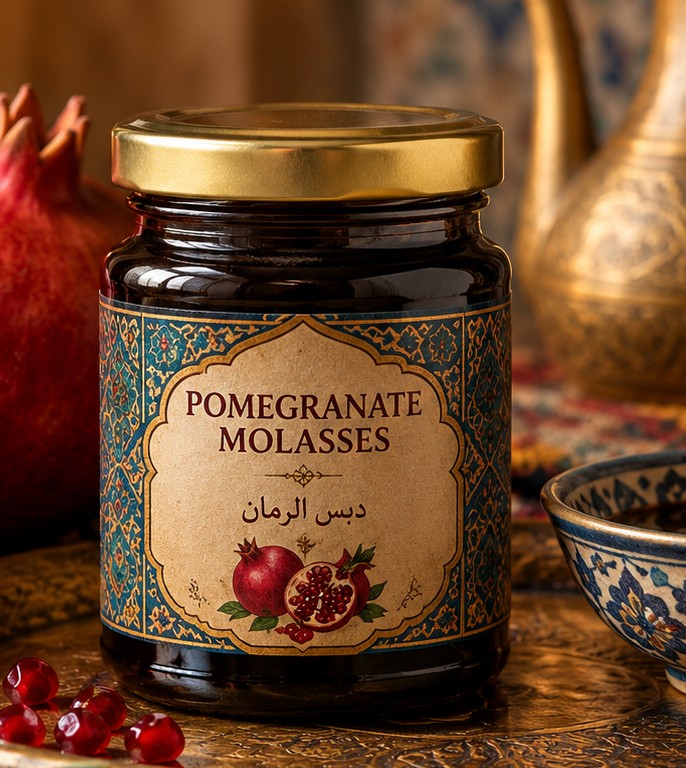
There’s something rather special about pomegranates. With their gorgeous jewel-like seeds and delicious sweet-and-tangy flavour, they bring a splash of colour and sunshine to the kitchen. But these beautiful fruits aren’t just a treat for the taste buds — they have some interesting health benefits, too!
Pomegranate juice is packed with polyphenols and antioxidants, natural plant compounds that help protect our cells from damage. Research suggests these compounds may also support heart health, with some studies indicating that pomegranate juice could help lower blood pressure a little. Not bad for something so delicious!
And here’s where things get particularly interesting: pomegranates are attracting attention in prostate cancer research. Scientists have found that compounds in pomegranates can slow the growth of prostate cancer cells in laboratory experiments. Some early human studies also suggested that pomegranate juice might slow the rise of PSA, a marker doctors use to monitor prostate cancer. However, later research has produced mixed results, so we can’t yet say that pomegranate juice prevents or treats prostate cancer. There’s still more to discover, but it’s certainly an intriguing area of research!
Of course, you don’t need a scientific reason to enjoy this wonderful fruit. Fresh pomegranate juice is lovely on its own, while a splash adds a fruity zing to dressings, marinades and sauces. Reduce it gently and you have pomegranate molasses — a wonderfully rich, sweet-and-sour ingredient that brings a taste of the Middle East to all sorts of dishes.
So, whether you sip it, drizzle it or cook with it, pomegranate is a delicious way to add a little extra plant goodness to your day.
POMEGRANATE MOLASSES
A Taste of the Middle East
Pomegranate molasses is a wonderfully rich, fruity syrup that’s a staple in Middle Eastern cooking. It’s delicious in salad dressings, marinades, sauces and dips, adding a lovely depth of flavour with just a drizzle. And the best bit? It couldn’t be easier to make at home!
Getting the juice out
First, you need to persuade those beautiful ruby-red seeds to give up their juice. This can be a little time-consuming, but a food processor or liquidiser makes the job much easier.
Cut the pomegranates into quarters and, working over a large bowl, use your fingers to loosen the seeds, removing as much of the white pith as possible. The pith can give the juice a bitter taste, so it’s worth taking a little care here.
Transfer the seeds to your food processor or liquidiser and pulse just a few times. The idea is to release the juice without crushing the seeds too much. Pour the mixture through a fine sieve, pressing gently if needed, and discard the seeds and remaining pulp.
Turning juice into molasses
Pour the juice into a saucepan, bring to the boil then reduce the heat and and simmer it until it reduces to a thick, glossy syrup, roughly the same consistency as treacle. Keep an eye on it towards the end, as it will thicken quicker the more it reduces.
If your molasses becomes a little too thick, simply stir in a splash or two of boiling water until you reach the consistency you like. If it’s too runny, return it to the pan and simmer for a little longer.
And that’s it! You’ve made your own pomegranate molasses — a little jar of sweet-and-sour magic, packed with fruity flavour and ready to bring a Middle Eastern touch to your cooking.
